

Conveyor rollers remain one of the quiet powerhouses behind modern manufacturing, logistics, mining, and port operations. Though often overlooked as “simple components,” rollers have a substantial impact on system efficiency, energy consumption, and long-term maintenance costs. For international buyers evaluating suppliers for OEM or large-volume industrial projects, understanding how conveyor rollers work—and why quality matters—is essential.
In this article, we break down the working principles of conveyor rollers, explain how different roller structures influence performance, and highlight why high-precision manufacturing from brands such as GCS Conveyor can significantly improve operational reliability.
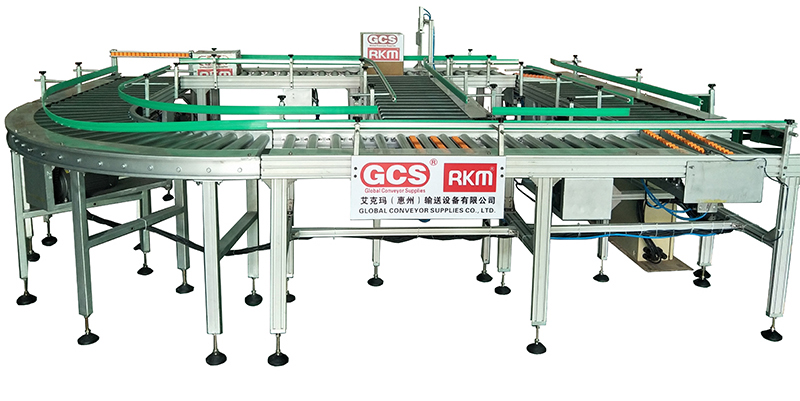
The Basic Working Principle of Conveyor Rollers
At the most fundamental level, a conveyor roller is designed to support and move materials along a conveyor belt or through a roller conveyor line. Its core function relies on low-friction rotation, achieved through:
-
● A steel or polymer tube providing surface support
● A shaft fixed to the machine frame
● Bearings allowing smooth rotation around the fixed shaft
● Seals and end caps to protect internal components
When the conveyor belt moves—powered by a motorized drive—rollers rotate passively to reduce resistance and distribute the load. In roller conveyor systems used in warehouses or e-commerce facilities, the rollers themselves may act as the driving elements, either using gravity or power-driven rollers.
What Happens During Operation?
During operation, each roller continuously manages:
-
● Radial loads from conveyed materials
● Rotational velocity dictated by conveyor speed
● Environmental exposure such as dust, humidity, water, and chemicals
● Impacts and vibration caused by irregular loads
A high-quality roller minimizes rotational friction, dissipates heat efficiently, and maintains stable alignment—even under continuous, heavy-duty use.
Types of Conveyor Rollers and Their Applications
Different industrial sectors require rollers with specific mechanical and environmental capabilities. Here are the main types:
1. Carrying Rollers
Used on the upper side of belt conveyors in mining, aggregates, ports, and bulk material handling. These rollers bear constant heavy loads and require strong shell thickness, balanced shafts, and long-life bearings.
2. Return Rollers
Located underneath the belt, return rollers support the unloaded belt on its return path. They often include rubber rings or spirals to prevent material buildup.
3. Impact Rollers
Installed at loading zones to absorb shock from falling material. They typically feature rubber discs for cushioning.
4. Self-Aligning Rollers
Designed to correct belt misalignment automatically, reducing downtime and belt wear.
5. Plastic or PVC Rollers
Used in packaging, light logistics, or food-grade applications where corrosion resistance is critical.
6. Powered & Accumulation Rollers
Used in automated warehousing, parcel handling, and assembly lines. These rollers may include internal motors, friction clutches, or timing belts.
Each roller type has unique performance requirements—and selecting the correct model helps operators reduce energy consumption, protect conveyor belts, and extend maintenance cycles.

Why Roller Quality Matters More Than Ever
Global buyers, especially in the mining, logistics, and industrial automation sectors, increasingly recognize that low-precision rollers can cause a cascade of problems:
-
◆ Belt mistracking and accelerated wear
◆ Excessive power consumption
◆ Frequent replacement and downtime
◆ Noise, vibration, and safety risks
◆ Increased total cost of ownership
A conveyor is only as strong as its rollers. That’s why technical buyers are shifting toward premium, precisely engineered rollers—not simply the cheapest options.
The Technology Behind High-Performance Rollers
A high-quality roller is the result of strict manufacturing controls and advanced engineering. The following elements make a measurable difference in real-world performance:
Precision Tubes
Uniform wall thickness reduces vibration and ensures balanced rotation. Top manufacturers use laser-welded or precision-drawn tubes for better concentricity.
Optimized Shaft Design
High-grade steel, strict tolerance control, and advanced surface finishing improve load capacity and prevent premature bearing wear.
Premium Bearings
The bearing is the heart of the roller. A high-tolerance bearing minimizes friction, dissipates heat effectively, and withstands high-speed operation.
Multi-Layer Sealing Systems
Effective seals protect bearings from dust, water, and corrosive materials. Modern roller designs often include labyrinth sealing or triple-lip structures.
Automated Balancing & Testing
Dynamic balancing ensures smooth rotation, while automated inspection systems detect microscopic imperfections.
These technologies differentiate high-quality rollers from mass-produced low-cost alternatives that may fail under industrial stress.
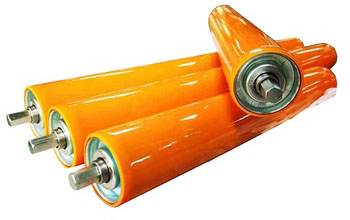
GCS Conveyor — Engineering Reliability for Global Industries
For buyers seeking dependable, export-grade roller solutions, GCS Conveyor stands out as a manufacturer with proven technical expertise and large-scale production capability.
Advanced Production Facilities
GCS operates modern facilities equipped with:
-
■ Automated welding lines
■ CNC machining centers
■ Robotic assembly stations
■ High-precision balancing machines
■ Real-time inspection and quality tracking
This ensures consistent quality across small and large orders, ideal for OEM clients and global distributors.
Strict Quality Control & International Standards
Every roller is manufactured under a comprehensive quality system including:
-
■ Dynamic balance testing
■ Surface hardness verification
■ Seal integrity testing
■ Bearing noise examination
■ Load endurance trials
GCS products are engineered to meet or exceed CEMA, DIN, ISO, and GB standards, supporting compatibility with international conveyor systems.
Full Range of Customization
GCS understands the diverse needs of B2B clients and offers tailored solutions including:
-
■ Custom tube thickness and materials
■ Corrosion-resistant or anti-static coatings
■ Special bearings for high-speed or high-temperature applications
■ OEM branding and packaging
■ Large-volume production for industrial projects
This ability to customize gives buyers greater flexibility in designing systems suited to their operating environments.
How to Choose the Right Conveyor Rollers for Your Operation
Selecting the correct roller type is critical to maximizing system performance. Consider the following factors:
Evaluate Your Material Characteristics
-
Bulk density
Particle size and abrasiveness
Impact intensity at loading points
Define Your Operating Environment
-
Exposure to moisture or chemicals
Temperature range
Dust levels (especially in mining/cement plants)
Determine Load and Speed Parameters
-
Roller spacing
Belt speed
Maximum dynamic load
Consider Maintenance Expectations
-
Do you need long-life, sealed-for-life bearings?
Are self-cleaning or anti-corrosion rollers necessary?
Assess Total Cost of Ownership (Not Just Price)
Premium rollers reduce energy usage and downtime, often delivering a lower lifetime cost compared to low-cost alternatives.
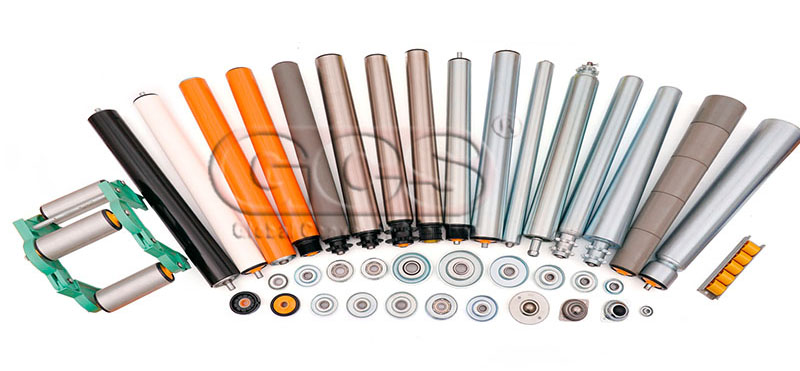
Final Thoughts
Understanding how conveyor rollers work—and what differentiates high-quality rollers from ordinary ones—helps buyers make smarter decisions in a global industrial supply landscape. As automation, mining expansion, and logistics growth accelerate worldwide, the demand for durable, precision-built conveyor components continues to rise.
Manufacturers like GCS Conveyor provide the engineering expertise, advanced production lines, and global-standard quality assurance needed for demanding B2B projects. Whether you're sourcing rollers for mining conveyors, automated warehouses, port terminals, or OEM manufacturing lines, choosing the right partner ensures stable operations and long-term value.
If you're planning a new conveyor project or upgrading existing systems, evaluating your operational conditions—and sourcing from a reliable, professional manufacturer—will pay off for years to come.
Share our interesting knowledge and stories on social media
Have Questions? Send an Inquiry
Want to know more about conveyor roller use?
Click the button now.
Post time: Dec-03-2025